Why Winter Is Not the Time to Stop Swimming Lessons
Published on 01 June 2026
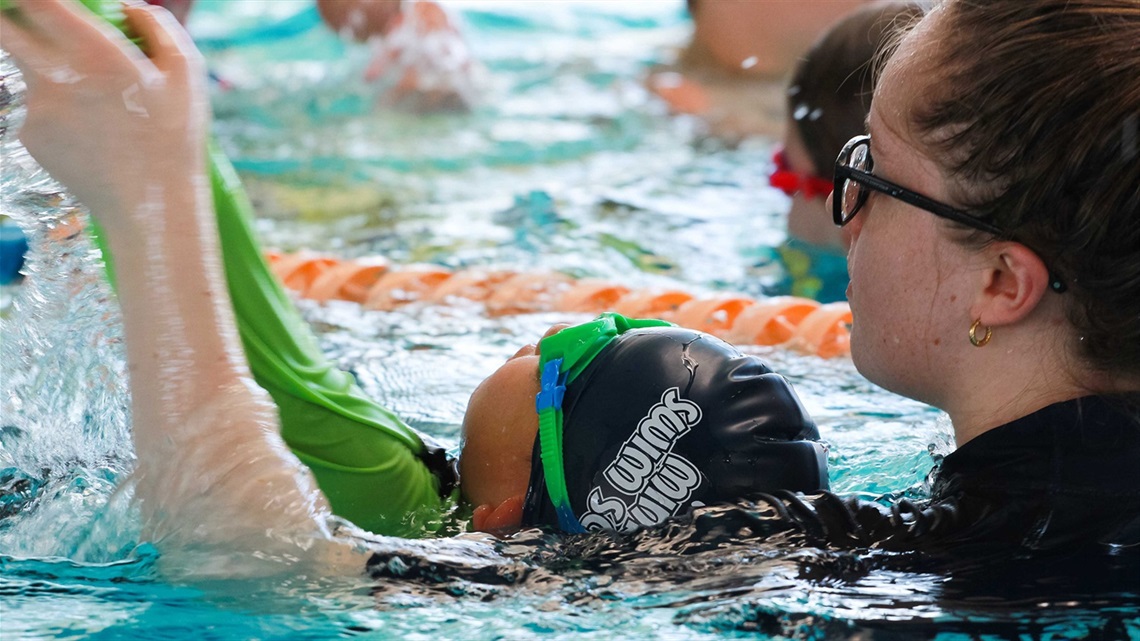
As temperatures drop, many families consider putting swimming lessons on hold until summer returns. But new research highlighted by ABC News shows that winter may be one of the most important times for children to continue learning essential water skills.
Swimming is not just another sport — it is a life‑saving skill. And when lessons stop too early or too often, children can lose confidence, competence and critical safety awareness.
Swimming Skills in Australia Are Declining
Recent data from Life Saving Victoria reveals a concerning trend: almost half of Australian Year 6 students cannot swim 50 metres or tread water for two minutes, the minimum safety benchmark for their age.
Researchers point to reduced school-based swimming programs and lower participation in ongoing lessons as key factors behind this decline. Many children stop formal swimming lessons around the age of eight, well before they’ve developed strong and reliable water safety skills.
When Should Children Start — and How Long Should They Continue?
According to drowning prevention expert Dr Amy Peden from UNSW, while some families begin lessons in infancy, children typically don’t develop dependable water confidence and basic swimming skills until around age four.
More importantly, experts emphasise that learning to swim is not a short-term activity. Children benefit most when lessons continue over several years, allowing them to:
- Build endurance and strength
- Learn survival skills such as floating and treading water
- Develop confidence in deeper water
- Practise decision-making and awareness around aquatic environments
Stopping lessons too early — or taking long seasonal breaks — can interrupt this development and make it harder for children to retain skills.
Why Winter Lessons Matter
While summer often feels like the “natural” swimming season, winter actually offers unique advantages for learning:
- Consistency: Skills improve faster when practice is regular and uninterrupted
- Retention: Children are less likely to forget techniques and safety responses
- Confidence: Staying enrolled helps children avoid regression or fear when returning
- Year‑round safety: Water hazards exist in all seasons, not just summer
Pools may be heated, but skills cool off when lessons stop.
Swimming Is a Survival Skill — Not Just a Sport
Bernadette Matthews from Life Saving Victoria explains that swimming is often treated like another extracurricular activity, similar to football or dance. But unlike many sports, swimming can save a child’s life.
Drowning remains one of the leading causes of accidental death in children, and strong swimming ability is a proven protective factor. Ongoing lessons help ensure children don’t just learn strokes, but understand how to stay safe, calm and capable in unexpected situations.
Thinking Twice This Winter
If you’re considering pulling your child out of lessons this winter, it may be worth asking:
- Have they truly mastered essential water safety skills?
- Would a long break affect their confidence?
- Could continuity now mean better safety later?
Winter lessons are an investment — not just in swimming ability, but in lifelong safety.
Source: “What age should a child start swimming lessons?”, ABC News, May 2026